
Views: 2 Author: Site Editor Publish Time: 2026-10-15 Origin: Site


Many buyers compare hook-and-loop tape by peel strength alone, and skip the most basic question: how were the hooks made?
The hook side comes in two families — woven hook (monofilament woven into the backing, then cut into hooks) and molded hook (plastic extruded or injection-molded into rows of small hooks). They differ in feel, strength, temperature resistance and cost, and they suit different jobs.
This guide focuses on molded hook: how it differs from woven hook, how to choose between the three common hook types, and which parameters to check before you buy.
Molded hook | Woven hook | |
|---|---|---|
Forming | Plastic extruded / injection-molded into hooks | Monofilament woven into backing, then cut |
Feel | Stiffer, well-defined hooks | Softer, more conforming |
Strength | High single-hook strength, high density possible | Flexible, fatigue-resistant |
Typical use | Wire harnesses, industrial fastening, high-cycle closure | Apparel, footwear, light medical fastening |
One-line memory aid: choose molded hook when you need firm, strong, repeated closure; choose woven hook when you need soft, skin-friendly, frequently flexed material.
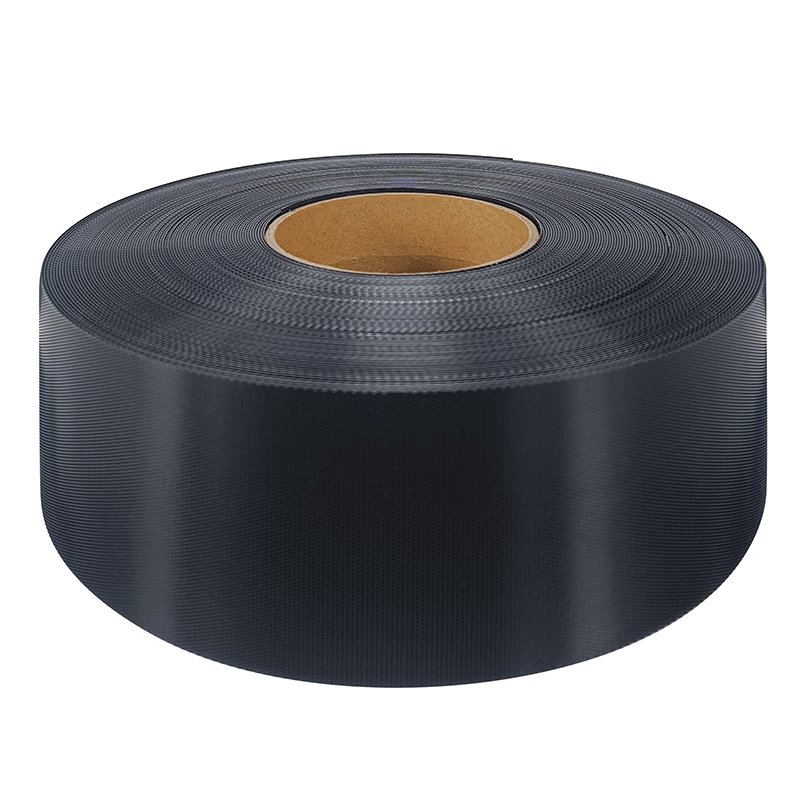
Molded hooks come in three common shapes, each with its own selection logic.
1. Single hook
All hooks point the same way, extruded from nylon or similar. Best for one-directional loading; the most economical all-round type. See our No.1 Nylon Single Hook.
2. Double hook (bidirectional)
Hooks alternate in two directions, so the tape engages from both directions. Ideal when both sides must grip or when installation direction is uncertain — a steadier, stronger hold.
3. Mushroom head
The hook tip is enlarged into a mushroom shape; two surfaces interlock stem-to-stem (the classic example is 3M Dual Lock). The result is a "snap-lock" feel with high lateral (tension) strength, but also higher peel force — best for "rarely opened, must stay locked" applications.
Selection rule of thumb: single hook for one-way load, double hook for two-way grip, mushroom head for a locking snap.
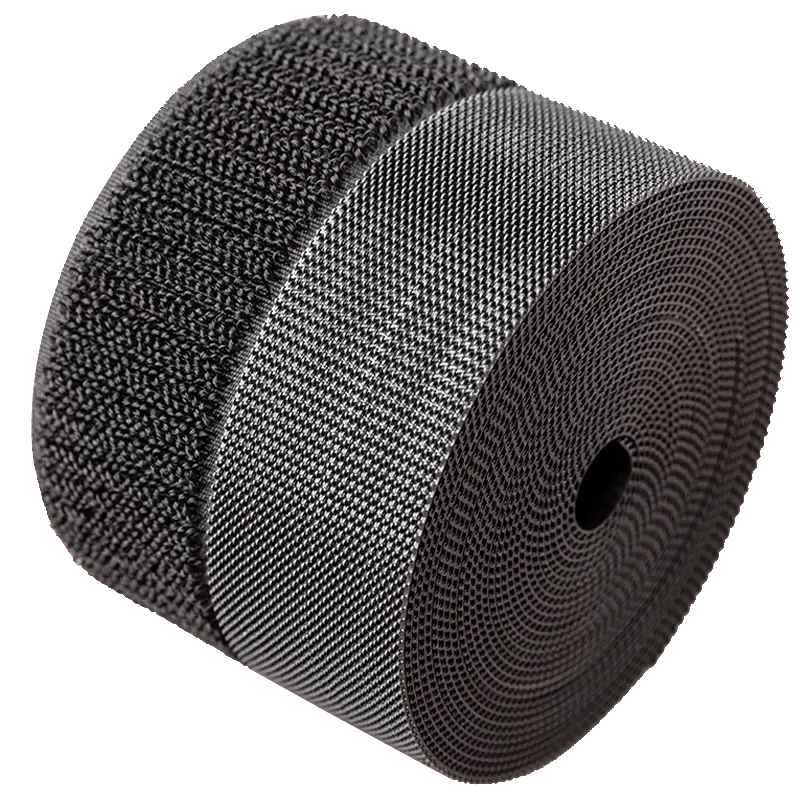
Hook density (hooks per cm² or inch²): higher density generally means higher peel and shear, but also demands better loop matching.
Single-hook strength and temperature resistance: nylon (PA) offers higher heat resistance and recovery; PP is more economical for moderate temperatures. Confirm the material grade, not just "nylon" or "PP".
Loop pairing: molded hook must pair with a matching-density loop fabric. High-density hook on a sparse loop engages poorly; choose them together.
Practical note: do not treat a single "peel strength N/cm" figure as the whole story — it is only meaningful with the hook density, the paired loop, and the test conditions attached (see How to Read a Hook and Loop Test Report).
Automotive harness / cable management: single or double molded hook, with heat resistance and vibration hold in mind; pair with our back-to-back series for straps.
Bags / outdoor gear: single or double hook, balancing fatigue life and feel.
Medical / wearable: prefer softer, finer hooks; check open-close cycle life where re-fastening is frequent.
Industrial fixing / panels: mushroom head for high shear and locked positioning.
Using molded hook where woven hook is needed — a stiff molded hook in a soft, skin-facing application feels wrong.
Asking only "what hook type" and not "which material grade" — two "nylon single hooks" can differ greatly in heat resistance and strength.
Mismatched hook and loop — high-density hook on low-density loop engages poorly and wears faster.


