
Views: 5 Author: Site Editor Publish Time: 2026-10-16 Origin: Site


Hook and loop fasteners are not sensitive to temperature in the way an adhesive or a seal is, but temperature still changes how long they last. Heat softens the polymer, cold makes it stiff, and both, together with UV light and repeated washing, slowly reduce peel strength and cycle life. This guide sets out typical service temperature ranges for the main hook and loop materials and explains what actually happens to the tape in hot, cold and long-life applications.
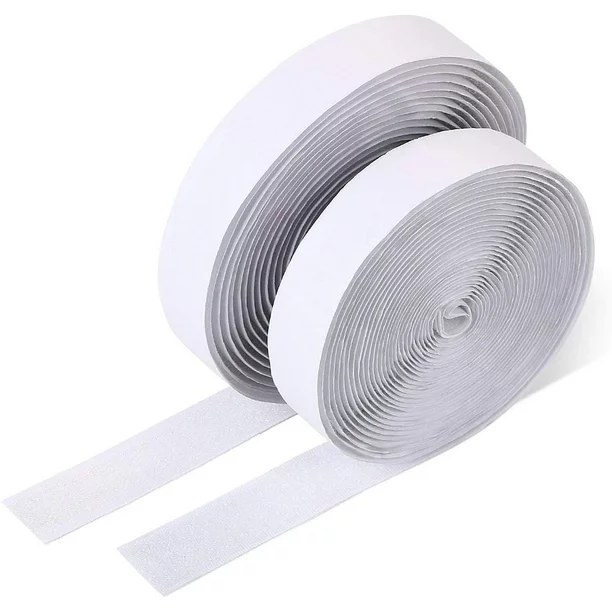
The ranges below are typical service windows for standard grades; confirm the exact grade with our technical team before specifying for a critical application.
100% nylon hook and loop — the widest all-round window, roughly −40 °C to +120 °C continuous, with short excursions higher.
Polyester — similar low end, higher upper limit (about +150 °C), and better resistance to hydrolysis in damp heat.
Polypropylene — lower cost, but the narrowest window (about −20 °C to +100 °C) and the weakest UV resistance.
Molded hook (nylon or PP) — the same base-polymer limits apply; the molded shape does not change the temperature window.
Adhesive-backed tape — the pressure-sensitive adhesive, not the tape, usually sets the limit (commonly around −30 °C to +90 °C, with short-term peaks above this).
Below the softening point nothing dramatic happens; the concern is creep. Under a sustained peel or shear load, a warm hook or loop relaxes and the engaged area slowly reduces. This is why a fastener that holds a cold load may slowly let go in a hot enclosure, and why heat-sealed and adhesive-backed versions need a higher-grade adhesive for under-bonnet or outdoor use. Short-term peaks (a few minutes) are far less damaging than a lower continuous temperature held for years.
Cold does not usually destroy hook and loop, but it stiffens the polymer. Below about −20 °C the hooks and loops become less flexible, engagement feels harder, and the tape is more likely to crack if folded sharply. For cold-chain, outdoor winter and refrigeration applications, choose nylon and avoid sharp folding during handling.
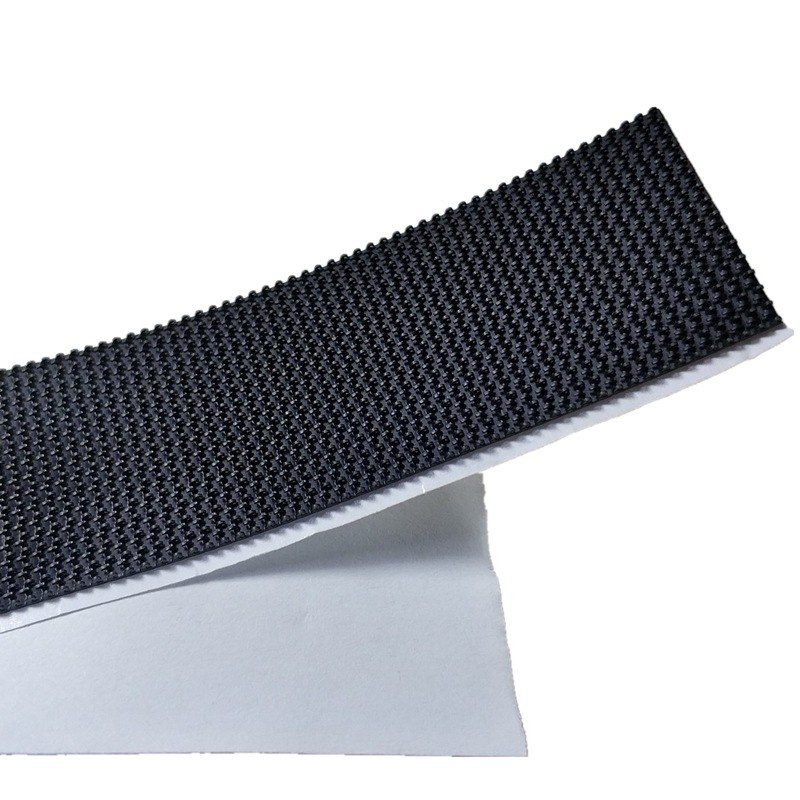
UV / sunlight — polypropylene yellows and embrittles fastest; nylon and polyester last far longer outdoors. Add a UV-stabilised grade for permanent outdoor use.
Hydrolysis — in hot, damp conditions nylon degrades faster than polyester; for repeated industrial washing, polyester or a polyester-rich blend is the safer choice.
Wash and dry cycles — mechanical wear closes the loops and dulls the hooks. Cycle life is set mainly by the number of open/close cycles and by washing, not by temperature alone.
State the continuous temperature, not the peak.
State the load type — peel loads are far more temperature-sensitive than shear loads.
Say whether the part is washed, sterilised or exposed to UV.
For adhesive versions, specify the adhesive as well as the tape.
For most hot, damp and wash-heavy products, a nylon or polyester tape with the right fixing method — sewn for textiles, heat-sealed for thermoplastic substrates — will outlast a cheaper general-purpose tape.
Tell us your continuous temperature, load type and wash or UV exposure and we will recommend the material, grade and fixing method for your application.


