
Views: 1 Author: Site Editor Publish Time: 2026-10-22 Origin: Site


The same hook and loop construction can survive years on one product and fail within a season on another. When a customer reports a failure, the useful question is not "is the tape bad" but "which of the five failure modes is this, and which parameter drove it". Each mode has a different root cause and a different fix, and mixing them up leads to changing the wrong thing.
The tape stays attached in the middle but the edge curls up, usually starting within days of application. This is nearly always an application problem rather than a material defect.
Surface energy too low: PP, PE and powder-coated surfaces need a primer or a higher-grab adhesive
Too little pressure at application: pressure-sensitive adhesive needs sustained roll pressure, not a quick press by hand
Applied at low temperature: below roughly 10 °C the adhesive does not wet out properly
Edge exposed to shear: any peeling load should be designed to sit in shear, not at the edge
Instead of an edge lifting, the entire piece comes off cleanly, often leaving adhesive residue on the substrate. That points to adhesive selection rather than application.
Plasticiser migration: soft PVC releases plasticiser over time and softens the adhesive bond
Adhesive chemistry mismatch: acrylic, hot melt and rubber-based adhesives behave very differently on low-energy surfaces
Adhesive mass too low for the load: thin coats save cost but reduce holding power
Service temperature above the adhesive's softening range
The closure still looks intact but holds almost nothing. Under magnification the hooks are bent over or matted with fibre.
Cycle count beyond the design life: standard woven hook loses grip far earlier than molded hook
Loop density too low for the hook type, so only a fraction of hooks engage
Contamination: dust, lint and oil fill the hook field and cannot be brushed out completely
Wrong pairing: a fine hook on a coarse loop, or a heavy-duty hook on an un-napped loop
Short fibres ball up on the loop surface, grip drops, and loose fibre appears inside the product. This is a material and process issue.
Low-grade loop with insufficient fibre anchoring, common in cheap brushed fabric
Abrasion from a rough mating surface or from the part rubbing against the housing
Repeated washing without heat-sealed or stitched edges, so fibre works loose from the cut line
Incompatible hook stiffness tearing the loop pile
The part passes incoming inspection, works for a few months, then gradually loosens. This is the hardest mode to catch because there is no visible damage.
Heat aging: sustained exposure near the material's upper service temperature relaxes the fibre structure
Humidity and moisture: some adhesives lose tack permanently after damp storage
UV exposure outdoors, which embrittles both hook and loop fibre
Compression set: a closure held under constant load takes a permanent set and stops recovering
What you see | Likely driver | What to check |
|---|---|---|
Edge lifting within days | Application, surface energy | Substrate type, application pressure, ambient temperature |
Clean release with residue | Adhesive chemistry | Plasticiser content of the substrate, adhesive type, coat weight |
Grip fades with cycles | Hook and loop pairing | Cycle requirement, loop density, hook type |
Fibre pilling | Loop quality | Fibre anchoring, edge sealing method, wash cycles |
Gradual loosening | Environment | Service temperature, humidity, UV exposure, static load |
Peel a sample by hand at a fixed angle and speed, and compare against a retained reference sample from the approved batch
Check the cut edge under a magnifier: loose fibre or exposed adhesive at the cut line predicts early failure
Record application conditions once: substrate, pressure, temperature and dwell time. Most "material failures" turn out to be application variables that were never written down
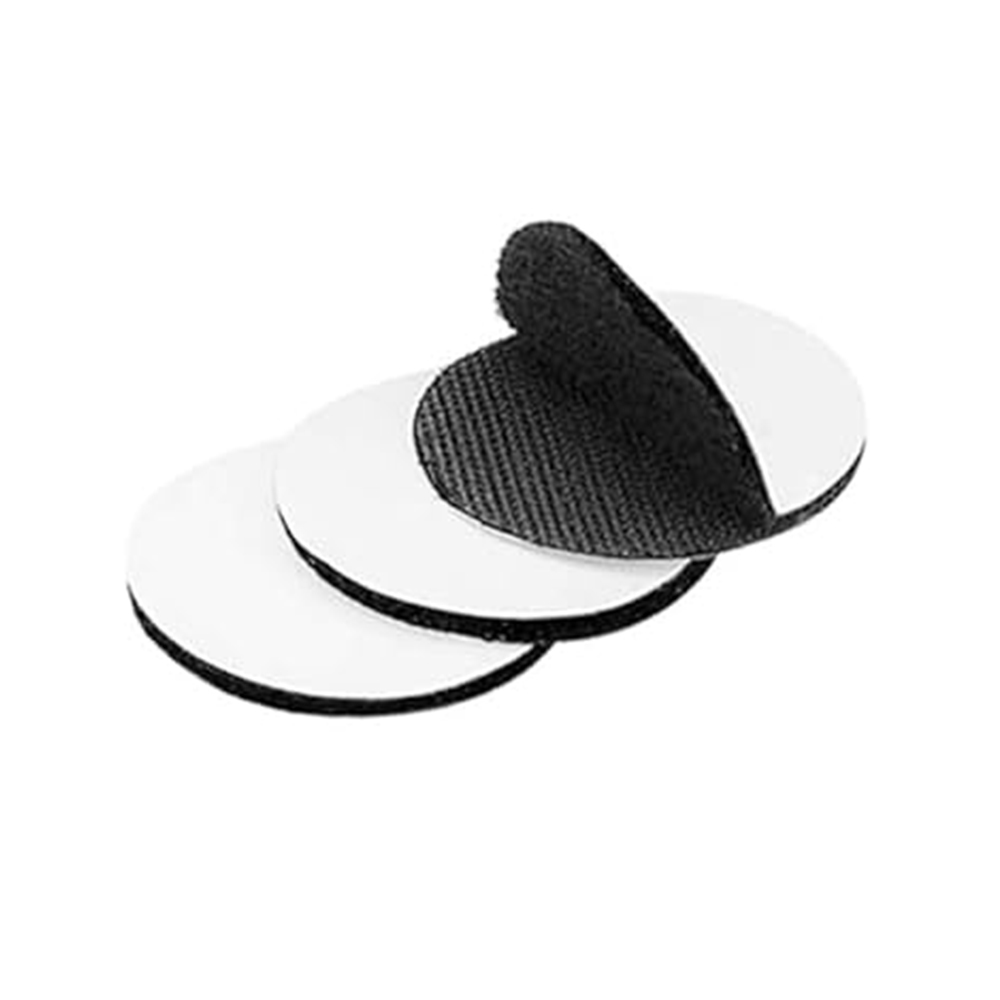
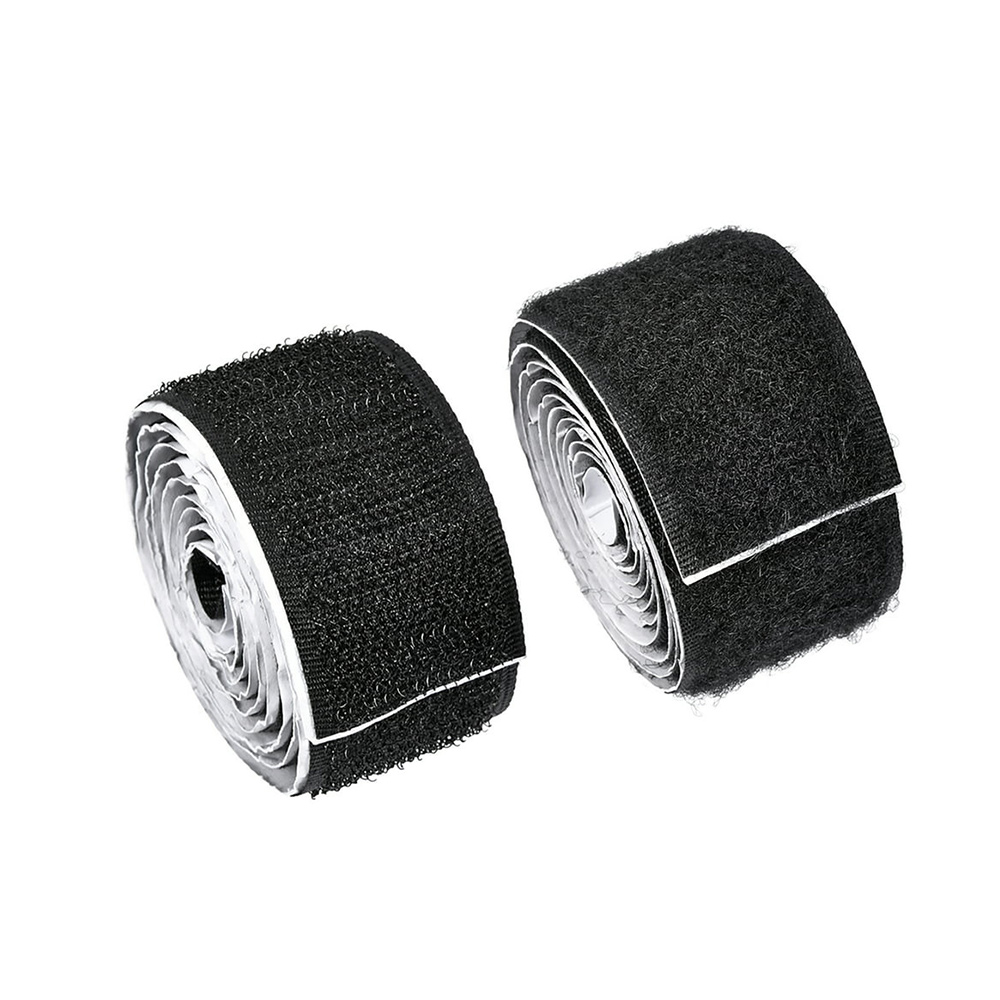
If you are choosing a construction for a new project, start from the substrate and the load direction rather than from a catalogue number. Our adhesive-backed range covers the common substrates, and the strap range covers load-bearing closures. For thin, low-profile assemblies the un-napped loop option is usually the better match than a standard brushed loop.
Send us the failed sample together with the application conditions, and we will tell you which of the five modes it is and which parameter to change.


