
Views: 1 Author: Site Editor Publish Time: 2026-10-26 Origin: Site


Harness builders and cabinet assemblers mostly reach for the same thing: a nylon cable tie. It is cheap, it is fast, and it is permanent. That permanence is exactly why it becomes a problem in products that get serviced, re-routed or revised. Hook and loop entered this space as a reusable alternative, but it is not a straight swap — the three options fail in different ways.
Holds firmly and holds forever, which suits a final assembly that never gets opened
Single use: once cut, it is waste, and cutting next to a connector is a risk in itself
Tension is set by the tool, so over-tightening can pinch cable insulation
Sharp cut ends are the classic source of later abrasion faults
If the joint never needs reopening, a tie is still the cheapest and smallest answer.
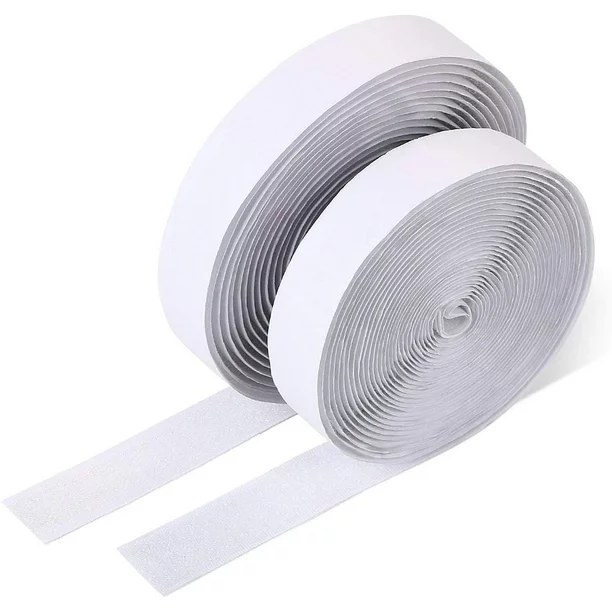
Both faces fasten to themselves, so the strap wraps and closes without a buckle
Reopened and re-tensioned as often as needed, which suits prototypes and service loops
Cut to length on site; no tool required
Lower breaking strength than a tie at the same width, so the width has to go up
A buckle or cam takes the tension; the hook and loop only keeps the tail in place
Fast to open and close one-handed, which matters where access is awkward
More parts, so slightly higher unit cost and one more thing to specify
Best where a strap is opened daily rather than once a year
Question | Nylon tie | Back-to-back | Buckle strap |
|---|---|---|---|
Reusable | No | Yes | Yes |
Tool needed | Yes | No | No |
Re-tensionable | No | Yes | Yes, one-handed |
Risk to cable jacket | Over-tension, sharp ends | Low if pile faces outward | Low |
Typical use | Fixed final assembly | Prototype, service loop, re-routing | Access panels, daily opening |
Measure the bundle circumference, not the diameter, then add the overlap. The overlap has to be long enough for the hook face to engage the loop face fully — a strap that closes with only a few millimetres of engagement holds far less than its width suggests. For a bundle you will reopen often, add more overlap rather than going wider; for a bundle that is static, width is the cheaper way to gain strength.
The pile scratches the jacket. It is not the pile itself but the exposed hook face rubbing against a neighbouring cable in vibration. Route the strap so the loop face sits outward, or add a short length of heat-shrink at the contact point.
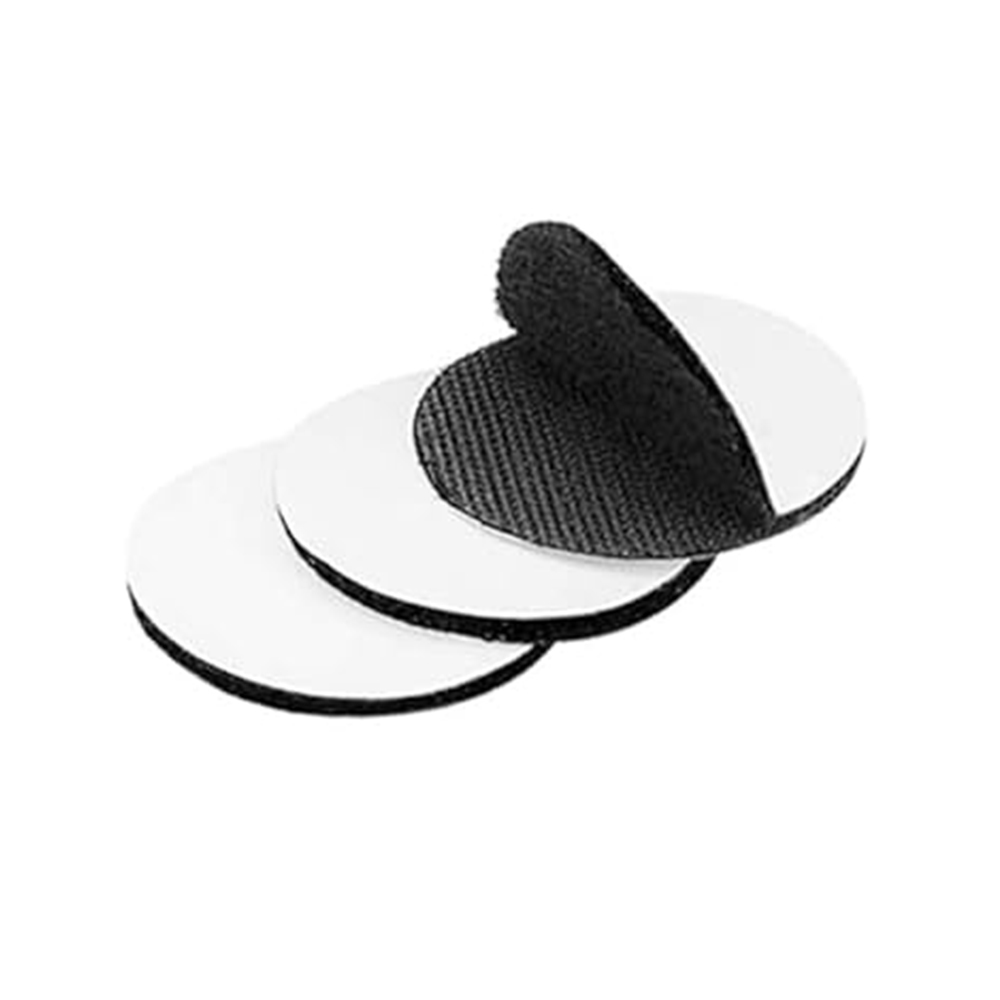
Adhesive residue on the housing. Adhesive-mounted bases are convenient in a cabinet, but on powder-coated or textured surfaces the adhesive either lets go early or leaves a mark when removed. Use a mechanical fixing where the surface is not smooth and clean, and treat adhesive bases as a positioning aid rather than a structural one.
Bundle diameter range, how often the strap is opened, the temperature at the mounting point, and whether the surface is smooth or textured. With those four we can recommend tie, back-to-back or buckle construction, and the width that goes with it. See the back-to-back cable tie, hook and loop strap and automotive ranges for the standard builds.


