
Views: 1 Author: Site Editor Publish Time: 2026-10-26 Origin: Site


On 14 October China's General Administration of Customs briefed on third-quarter trade; on 20 October the China Chamber of Commerce for Import and Export of Textiles released GTF data for the same period. Both describe the same exports, but they count in different currencies, and mixing them produces contradictory headlines: in US dollars, textile and apparel exports reached USD 232.95 billion over January–September, up 5.1%; in renminbi, the same nine months came to CNY 1,603.66 billion, up 0.8%. The gap is mostly a currency effect, not a disagreement between two datasets. Before you build a purchasing plan on a growth number, confirm which basis the other side is quoting.
Basis | Period | Value | Year on year |
|---|---|---|---|
USD (chamber / GTF) | Jan–Sep | USD 232.95 bn | +5.1% |
USD (chamber / GTF) | September | USD 29.66 bn | +21.5% |
CNY (Customs) | Jan–Sep | CNY 1,603.66 bn | +0.8% |
CNY (Customs) | September | CNY 201.26 bn | +15.7% (record for the month) |
September alone came to USD 29.66 billion, up 21.5%, or CNY 201.26 billion, up 15.7% — described as a record for the month. Only three things are actually documented: a weak base in the same month last year, fourth-quarter stock-building pulled forward into September, and the amplification that comes from quoting in a different currency. How much of the jump is genuine order growth cannot be separated until October and November data arrive. Treat the single month as a signal, not a trend.
September textiles reached USD 14.24 billion, up 19%, while apparel reached USD 15.42 billion, up 23.9% — apparel ahead by almost five points in the month. Stretch the window to January–September and the order reverses: textiles up 5.4%, apparel up 4.8%. Together the two views say the September strength sat in garment shipments and restocking, not in a rewritten annual trend. For a component supplier that matters, because garments move first and fasteners follow.
A garment factory buys material before it schedules sewing, and hook and loop, webbing and zippers sit in that pre-production basket. The working rule in the trade is that component orders run two to six weeks ahead of garment shipments, depending on style complexity and fabric lead time. So the September garment number was ordered as fasteners in August; if October garments keep climbing, the pressure lands on November fastener scheduling. That timing gap is more useful than the headline growth rate.
Peak-season loading plus currency movement squeezes both ends of a quotation. Lead time first: slitting, die-cutting and adhesive lamination are all finishing steps, and a full schedule makes standard and custom work compete for the same line. Price second: you quote in dollars, pay raw material and labour in renminbi, and margin moves with the rate. Put a validity date and an exchange-rate reference on the quotation rather than explaining afterwards.
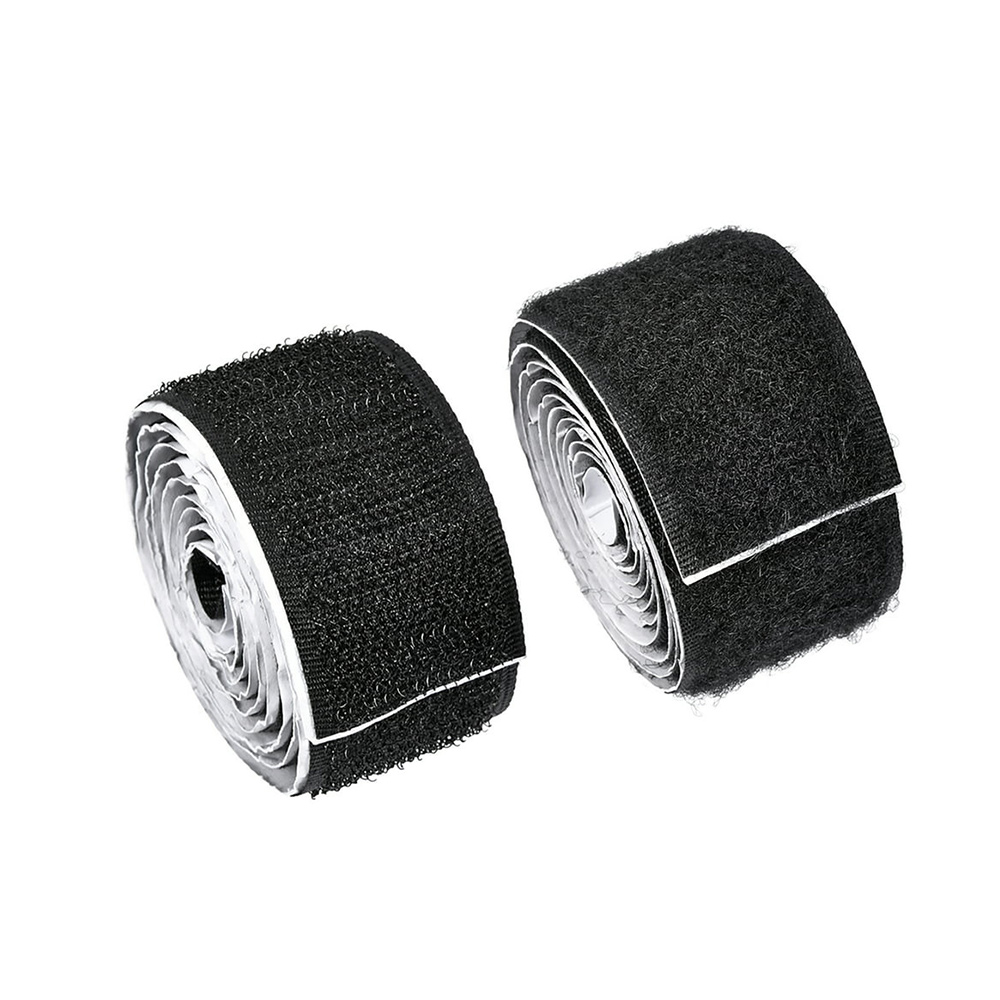
Book earlier: allow three to four weeks of buffer on standard items in peak season, and five to six weeks from artwork approval on custom parts.
Hold a little safety stock: two months of usage on common widths and colours avoids paying expediting fees for one small urgent order.
Write the commercial terms down: validity, exchange-rate basis and the quantity breaks behind each price tier.
Rushed production is when quality drifts. Sampling ratio, acceptance criteria and the five common defect patterns should already be fixed before the busy months, not negotiated after the container is loaded. The practical sequence is set out in our incoming inspection checklist, covering lot definition, sampling and defect mapping. For the commercial side, pair it with the Q4 2026 pricing note.
Export growth is real, but it does not convert into orders by itself. Three things do: ask which currency basis a number uses, lock lead times early, and keep acceptance criteria fixed. How much of September carries into the fourth quarter is a question for the October release. Until then, buying for peak season and inspecting to the usual standard is the safer path. If a lot does fail on arrival, start from the five failure modes before blaming the material.


