
Views: 1 Author: Site Editor Publish Time: 2026-10-23 Origin: Site


Most hook and loop failures we are asked about do not happen in the factory. They happen after the product has been washed thirty times, wiped down with alcohol every shift, or sent out for dry cleaning. Cleaning does not simply remove dirt: it works on three different parts of the closure at once, and each part reacts differently.
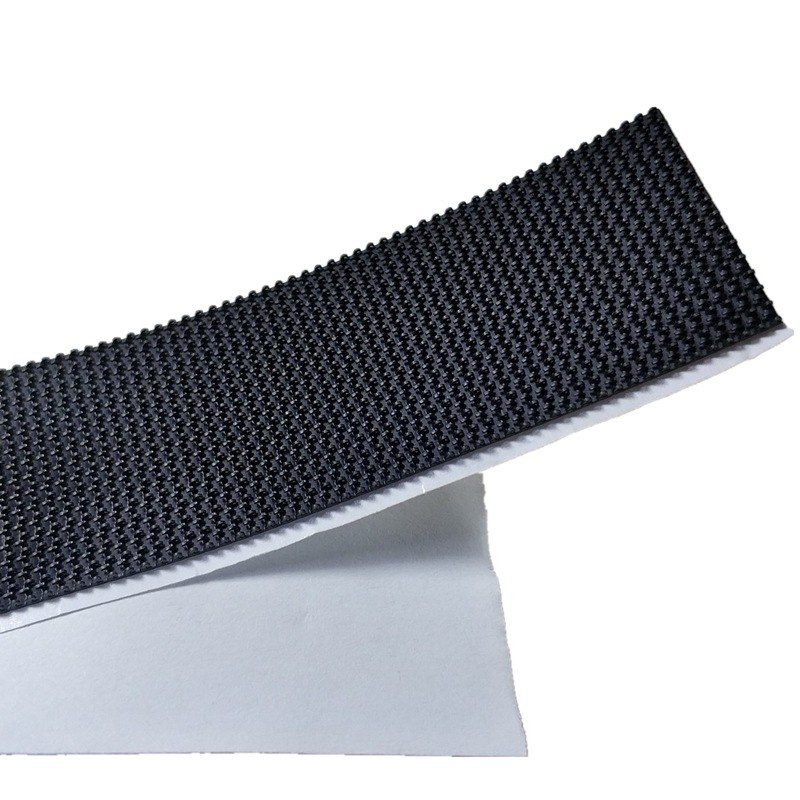
In a washing machine the closure is exposed to water, heat, detergent and mechanical action at the same time. The loop pile mats down and the hook tips bend, so engagement drops even though neither surface looks damaged.
Agitation is harder on the hook than on the loop; a hook that has been through many cycles looks fine but no longer grips
Detergent residue left in the pile acts as a release layer and reduces peel strength
Lint and fibre from the wash load packs into the loop and has to be picked out by hand
Closing the closure before washing protects both faces and is the single easiest habit to enforce
Perchloroethylene and other dry-cleaning solvents attack the adhesive layer long before they damage nylon or polyester fibre. The tape does not fall off in the machine; it releases weeks later, when the softened adhesive finally creeps.
Sewn or heat-sealed closures tolerate dry cleaning far better than adhesive-backed ones
If a garment must be dry cleaned, specify a sew-on construction rather than a pressure-sensitive one
Solvent residue trapped under the tape is difficult to remove and keeps softening the bond
Repeated disinfection is routine in medical, wearable and fitness products, and the choice of agent matters as much as the frequency.
Alcohol wipes are generally tolerated by both fibres, but repeated wiping can dry out and embrittle some adhesive systems
Chlorine-based bleach attacks the amide groups in nylon, so nylon hook and loop loses strength faster than polyester under the same routine
Hydrogen peroxide and quaternary ammonium wipes are usually gentler on the fibre but still leave residue in the pile
Whatever the agent, rinse or wipe with water afterwards to stop residue accumulating
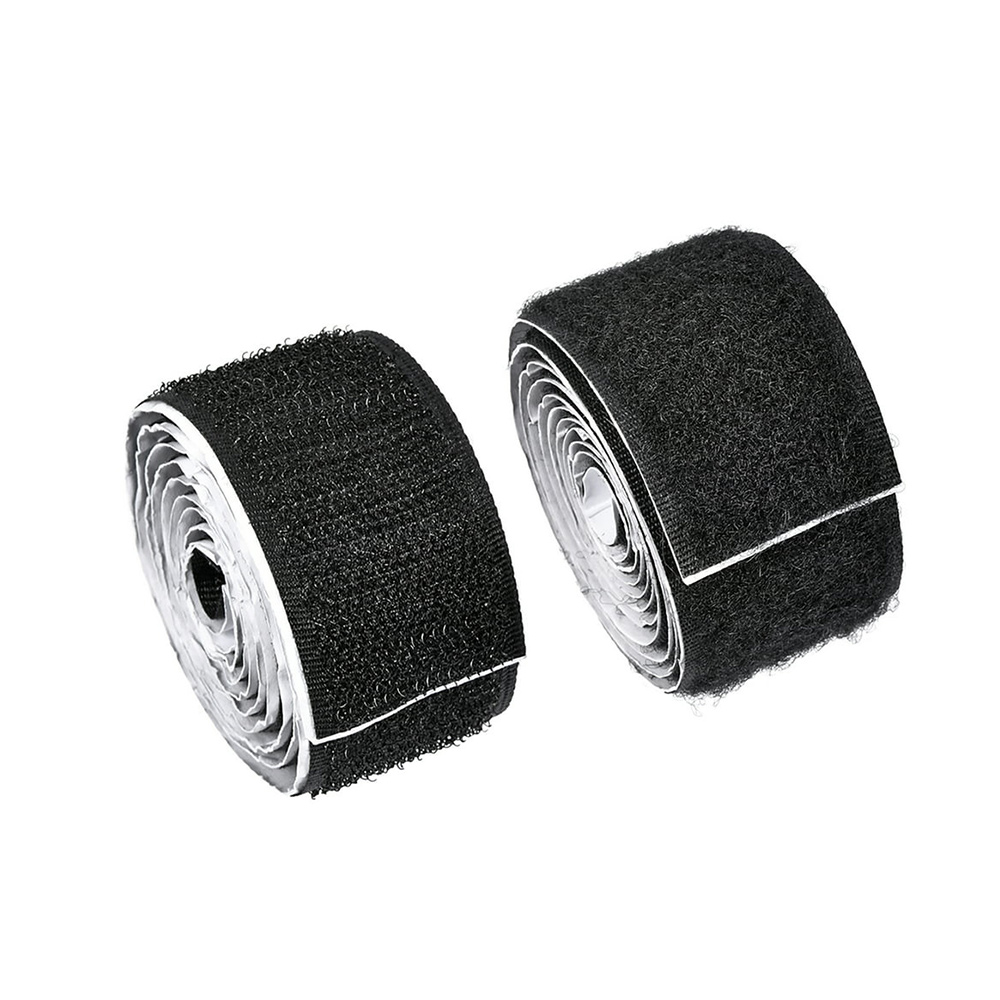
Tumble drying combines heat and movement, which is the worst combination for both the adhesive and the hook profile. Air drying flat preserves the pile; hanging a wet closure by one corner distorts it.
Heat softens pressure-sensitive adhesive and lets the tape creep under its own weight
Agitation in a hot drum bends hook tips that would otherwise recover
Drying with the closure fastened keeps the two faces aligned and stops the pile from matting
If a product will be cleaned often, the construction decision matters more than the tape specification.
Sewn with bound edges: the most wash-resistant option, because there is no adhesive layer to soften
Heat-sealed with an edge seal: good for synthetic fabrics, provided the film is matched to the substrate
Adhesive applied outside the cleaning zone: keep pressure-sensitive tape away from areas that see solvent or heat, and use it only for location
Cleaning method | What it attacks | What to specify |
|---|---|---|
Machine wash, warm | Hook profile, loop pile, detergent residue | Sew-on or heat-sealed; close before washing |
Tumble dry | Adhesive, hook tips | Air dry flat with closure fastened |
Dry cleaning | Pressure-sensitive adhesive | Avoid adhesive-backed; use sew-on |
Alcohol wipes | Adhesive, slowly | Rinse residue; check adhesive compatibility |
Chlorine bleach | Nylon fibre strength | Switch to polyester, or reduce frequency |
The same tape can last years or one season depending on how it is cleaned. When you specify a closure for a medical device, a wearable band or a piece of sports protection, send us the cleaning routine along with the load and cycle requirements. We will match the fibre, the construction and the adhesive to the way the product is actually maintained, rather than to a laboratory condition it will never see.


