
Views: 7 Author: Site Editor Publish Time: 2026-11-12 Origin: Site


Most hook and loop problems that show up on a receiving dock are not manufacturing defects. They are packaging decisions that were never written down: the roll was wound the wrong way for the feeding machine, the carton was stacked too high in a humid warehouse, or the label carried a part number but no lot number, so nobody could trace the batch that failed three weeks later.
Packaging costs a small fraction of the order value and prevents a large share of the disputes. It is worth specifying with the same precision as width, colour or peel strength.
Three numbers decide whether a roll works on the customer's line.
Core inner diameter. A 76 mm core fits most standard unwinding spindles. Smaller cores suit compact machines but deform more easily under winding tension. State the core material too, since a soft paper core can collapse in a humid container.
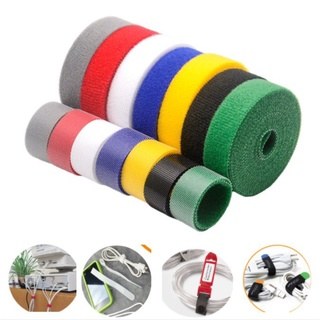
Winding direction. Hook side out or loop side out, and the direction the tape leaves the roll, matter for automated feeding. A roll wound the opposite way will still work by hand and will fail on a machine. This is the single most common packaging mismatch we see.
Yardage and roll weight. A 25 m roll is easy to handle; a 50 m roll lowers handling cost but becomes heavy for manual lines. Give a tolerance, because yardage varies slightly with thickness and tension.
Tape wound too tight compresses the pile on the loop side and leaves flat spots that reduce peel strength at the start of the roll. Wound too loose, the layers telescope during transport and the roll arrives cone-shaped.
For heat-sealed or adhesive-coated products the risk is higher: adhesive can migrate into the pile under sustained pressure, and the first few metres of a tightly wound roll may open with noticeably higher peel than the rest.
Practical request: ask for a roll hardness check and for the first-metre and mid-roll peel values to be reported separately.
Hook and loop itself tolerates humidity well. Adhesive-coated and heat-sealable versions do not, and neither do printed or dyed lots where the shade was approved against a dry standard.
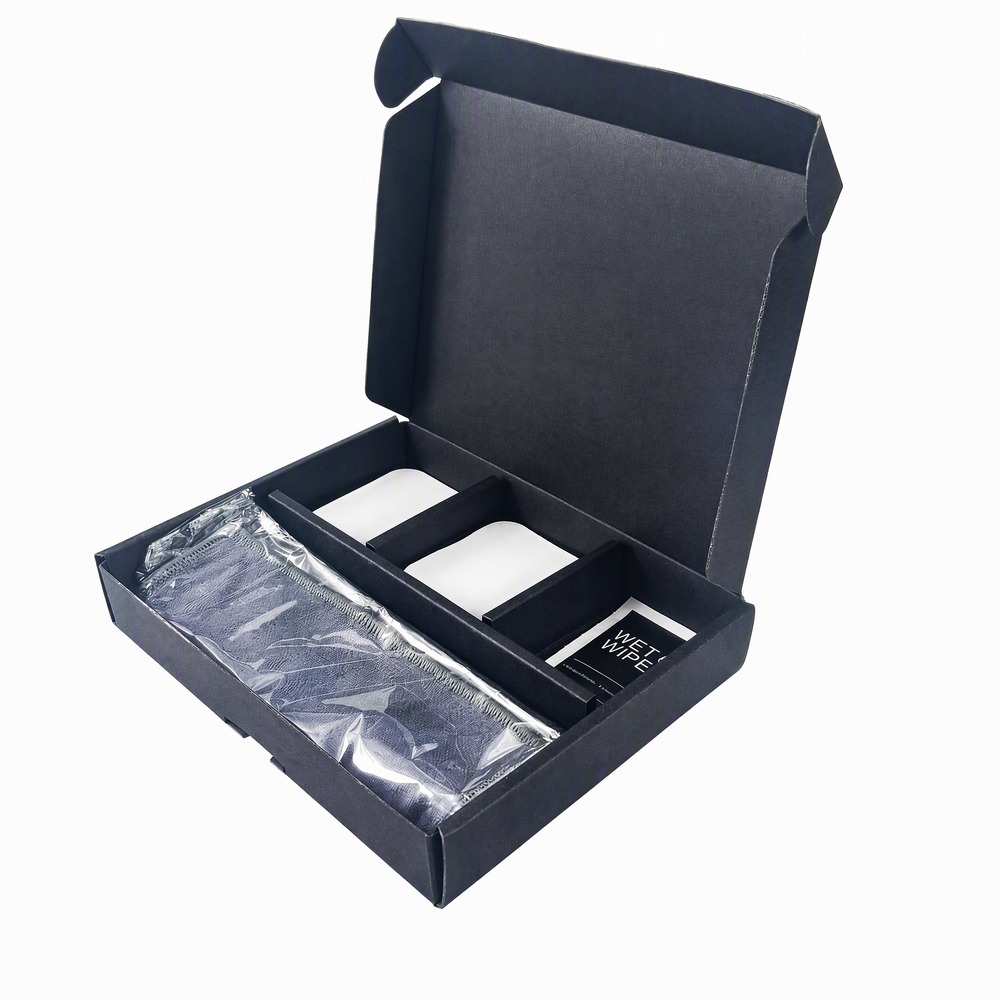
Barrier bag for adhesive products, with the seam sealed rather than folded.
Desiccant sized to the bag volume, not a fixed sachet per carton.
Container sweat is the real risk on long sea routes: a carton that is dry at the factory can arrive with condensation on the inner liner after a month at sea.
If the product is moisture sensitive, ask for a desiccant quantity per carton and for the bag material, and treat both as part of the purchase specification.
Carton choice is usually driven by unit cost, which is the wrong starting point. What matters is the compression strength needed for the actual stack height and storage duration.
A practical specification states the board grade, the burst or compression value, the maximum stack height in the warehouse, and the pallet pattern. Once those three are fixed, the carton cost follows; deciding the carton first and hoping the stack holds is how crushed corners and deformed rolls happen.
A label that only carries the product name is not enough for traceability. At minimum it should carry:
Part number and description
Lot or batch number
Quantity and unit
Production date and, where relevant, expiry
Purchase order reference
Handling marks: this way up, keep dry, do not stack beyond n
The lot number is the one field that is routinely left off and the one that costs the most when something goes wrong. Without it, an incoming inspection finding cannot be traced back to a production run.
For die-cut pieces the packaging question is different. Specify whether the parts ship on a continuous liner, in sheets, or loose in bags; whether the waste matrix stays on the liner or is stripped; and how the count is verified.
Counting by weight is fast and inaccurate for small parts. A stated piece count per bag, with a weight cross-check, avoids the short-count arguments that appear at month end.
Item | What to Check |
|---|---|
Roll format | Core size, winding direction, yardage against the label |
Roll condition | Flat spots, telescoping, crushed edges |
Moisture protection | Bag sealed, desiccant present, no condensation |
Carton condition | Corner crush, water marks, correct stack marks |
Label data | Lot number present and matching the packing list |
Piece count | Counted sample against declared quantity |
Six checks take a few minutes per shipment and give you a traceable record when a problem appears later in production.
A packaging clause that prevents most of these disputes covers: core diameter and material, winding direction, nominal yardage with tolerance, bag and desiccant requirement for moisture-sensitive products, board grade and maximum stack height, label fields including lot number, and the piece count method for die-cut parts.
None of these are difficult to meet. They are simply easy to leave unstated, and the cost of leaving them unstated is paid at the receiving dock.
Packaging that survives the factory often fails in the container. Three details decide it.
Overhang. Cartons should sit inside the pallet footprint. Overhang of even two centimetres transfers the stack load onto the carton edge and crushes the corner during handling.
Stretch wrap and edge protection. Wrap from the pallet up to the top layer and back down, and use corner boards on tall stacks. A wrapped pallet that is not anchored to the pallet will shift as a block.
Loading pattern. Mixed SKUs in one container should be loaded with the heaviest rolls at the floor and no gaps that allow the stack to lean. Ask for a loading photo for the first shipment of a new specification; it is the cheapest inspection available.
The first order gets attention. The fifth order is where packaging quietly drifts: a substitute core because the usual one was out of stock, a thinner board to hold the price, a bag folded instead of sealed.
Two habits prevent this. Keep the packaging clause inside the part specification rather than in an email thread, and check the six incoming items on every shipment, not only the first. A packaging change that nobody noticed is indistinguishable from a manufacturing change until the line stops.
Related reading: removable adhesive residue and rework, converting service, specifications for a quote and converting service.


