
Views: 3 Author: Site Editor Publish Time: 2026-11-07 Origin: Site


For a manufacturing company, professional capability is often hidden in materials, processing, and delivery details. Customers see a product; behind it may be an entire system of research and development, production, validation, and service.
How can these capabilities be seen, understood, and trusted? In the interview materials for Cow Business Forum: “Hidden Champions—Leaders in Specialized Markets”, Jiehuan’s approach can be summarized in three ideas: understand customers, take responsibility, and build an ecosystem together.
These ideas connect the company’s brand-building efforts, operating philosophy, and view of industrial development. Together, they describe one possible path for a specialized manufacturer to move from being “hidden” to building professional influence.
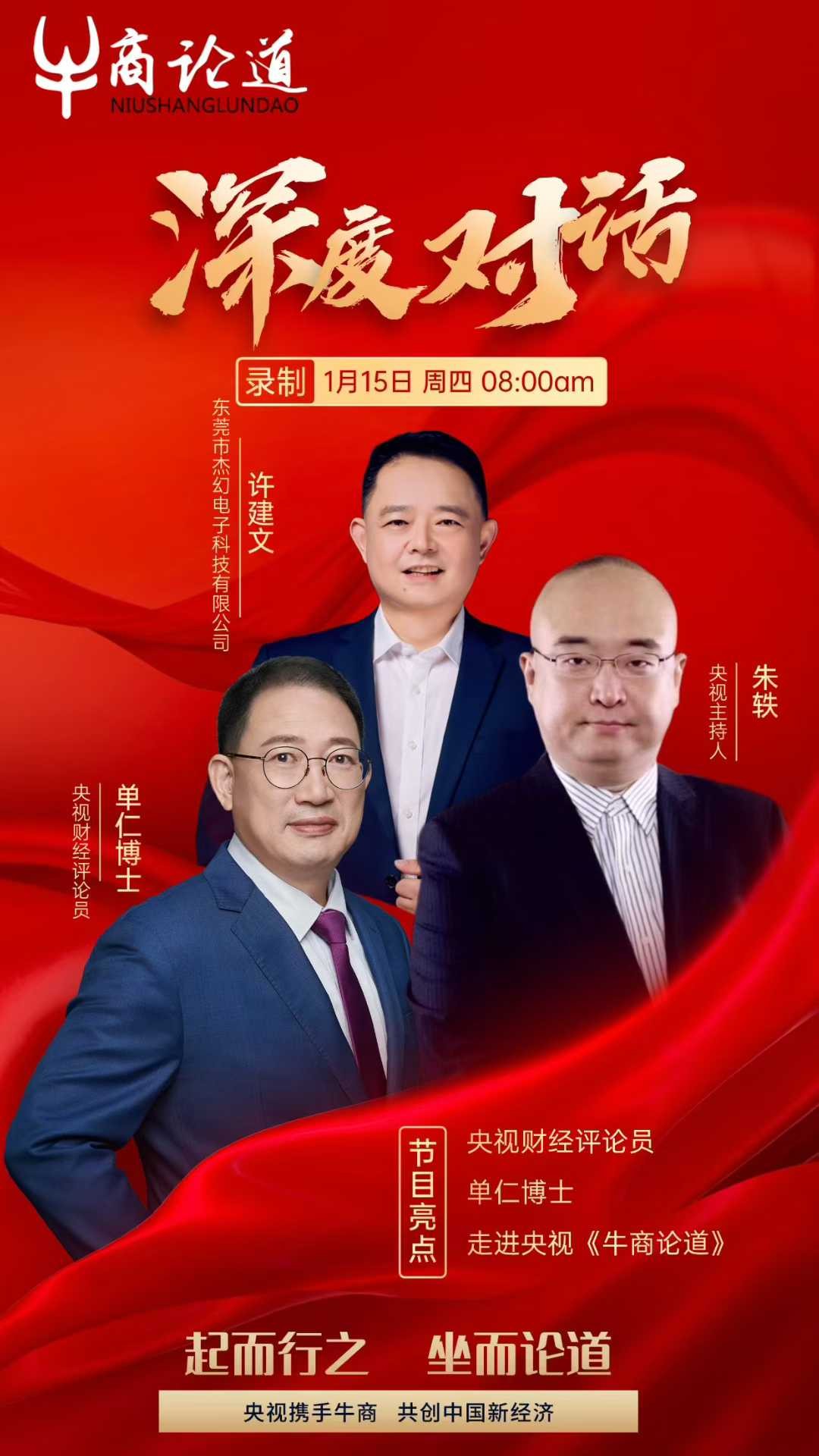
In the interview materials, Xu Jianwen contrasts traditional marketing with marketing in the digital era. Traditional marketing is often “we speak, you listen,” while the digital era requires more of a “you need, we respond” approach.
Behind this simple contrast is a change in B2B brand building.
Customers do not only want to know what equipment a company has or what products it can make. They also want to know whether the company understands their application, can solve their current materials or processing problem, and can provide a stable solution that fits their requirements.
For this reason, Jiehuan has built its brand communication around “understanding customers,” using precise keyword positioning, scenario-based product pages, and case-based content to communicate its understanding of customer pain points and possible solutions.
The purpose of this content is not to make technical information more complicated. It is to turn complex technology into answers customers can understand: What is the problem? Why does it occur? How can it be addressed? What improvement can the product provide?
Source: The “Brand Building and Internet Marketing Strategy” section of the interview materials in Cow Business Forum: “Hidden Champions—Leaders in Specialized Markets”.
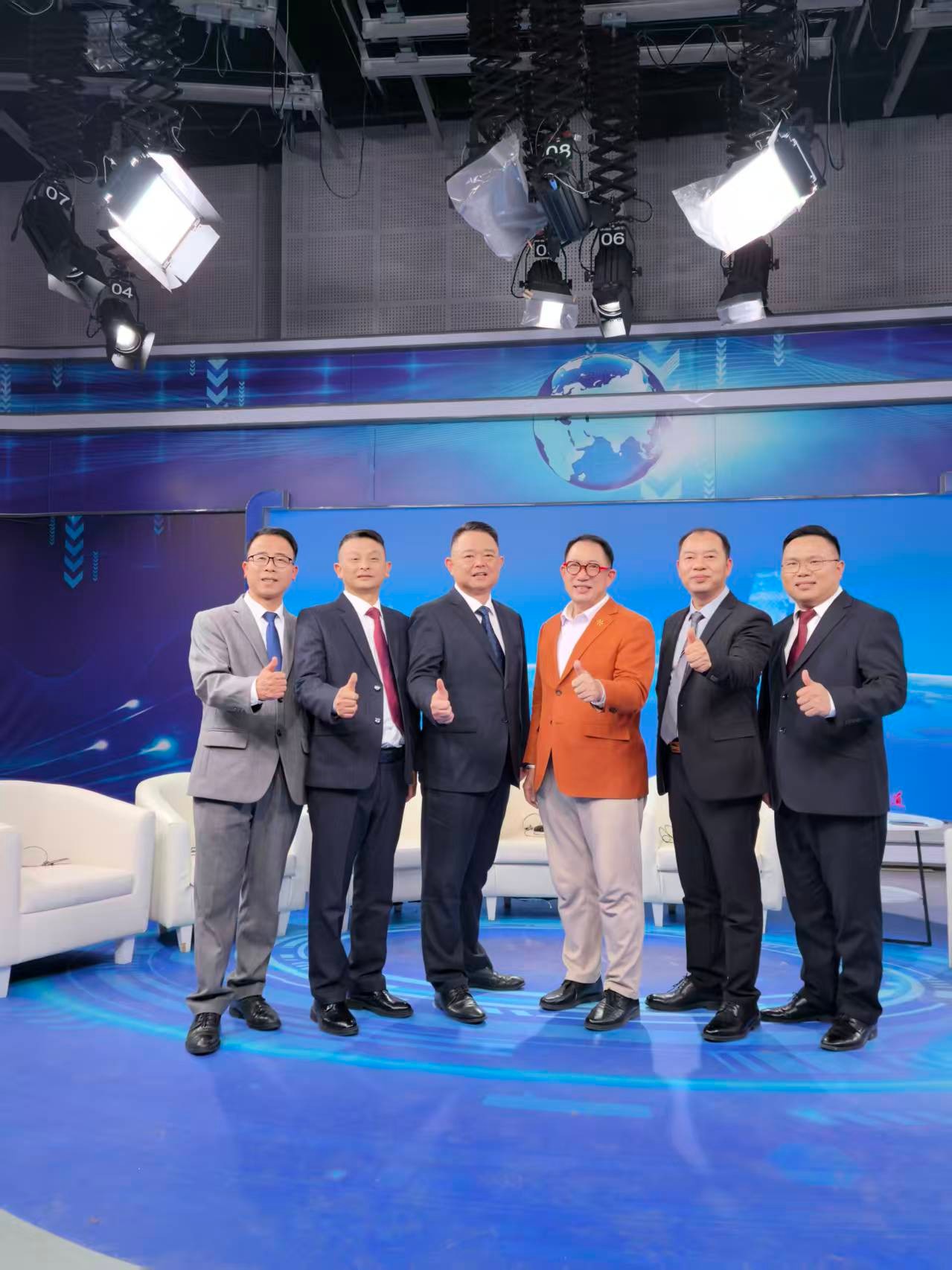
The interview materials describe short video as a new channel through which Jiehuan presents its professional capabilities. The company focuses on real industry problems, uses language customers can understand, and explains how the problem can be addressed and what the result may be.
For a manufacturer, the value of short video is not in chasing every popular topic. It is in explaining products and applications clearly. How should a material be used? What problem is a process suited to solve? How can a common failure be prevented? Each can become part of professional content.
The interview materials also describe digital marketing as “traceable through data and feedback.” A company can use platform data and customer-behavior insights to adjust its content direction and gradually understand what customers care about, which issues are more likely to trigger inquiries, and which explanations remain unclear.
The current materials do not provide specific figures for views, inquiries, conversion rates, or customer behavior. This article therefore makes no quantitative assessment of marketing performance. It can confirm, however, that Jiehuan regards digital marketing as an important way to communicate professional capability and engage with customers.
In the interview materials, Xu Jianwen describes “responsibility” as a core belief in the company’s development. This responsibility first concerns employees: a group of long-serving employees have gone through the company’s development together, and the company should ensure that people who work hard are rewarded and that those who strive have support.
Responsibility also concerns the industry.
Although hook-and-loop fasteners are small products, they are used in many kinds of end products. The interview materials state that some high-end markets previously relied more heavily on imported products. When materials and processing are constrained by external dependence, R&D is not only a way to expand a company’s own business; it also relates to supply-chain stability and the improvement of manufacturing capability.
In areas such as interlocking fasteners, Jiehuan has continued to invest in materials and production technology, with the aim of supporting domestic substitution. The current materials do not provide test reports, substitution ratios, or procurement data. This article therefore makes no further judgment about market results.
“Make hook-and-loop fasteners more refined and make people’s lives better” is a personal statement recorded in the interview materials. It connects product quality, everyday experience, and manufacturing responsibility.
Source: The “Core of the Entrepreneurial Spirit” section of the interview materials in Cow Business Forum: “Hidden Champions—Leaders in Specialized Markets”.
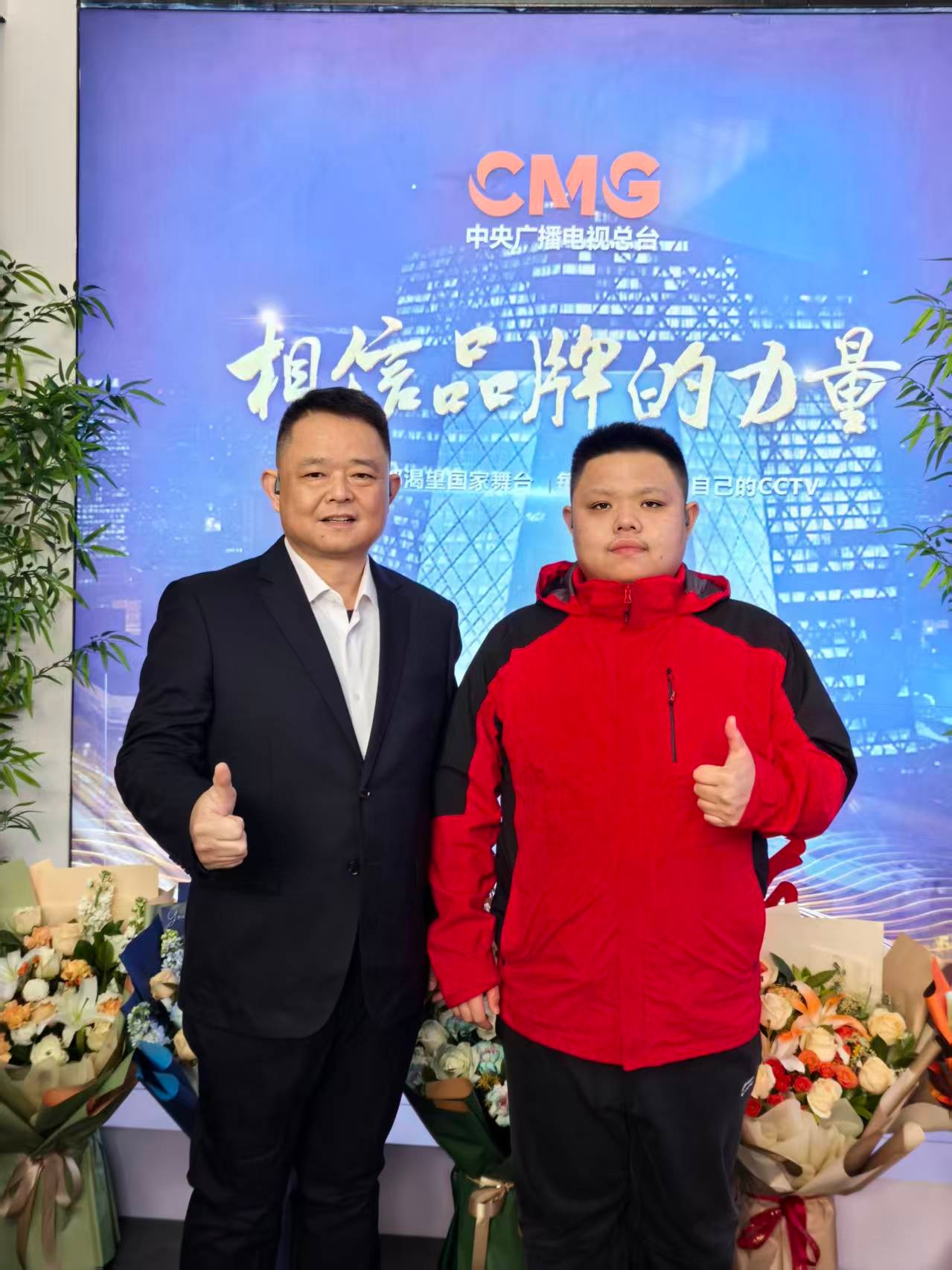
The interview materials describe industry “involution” as low-level repetition caused by homogeneous competition. For similar products, companies may compare efficiency and energy consumption, but the more fundamental way forward is to create value through innovation.
This means that competition should not remain limited to price. It can also be reflected in material improvements, process optimization, energy management, application expansion, and service capability.
When a company can solve a more specific customer problem, provide a more stable product, and offer more efficient service, competition can gradually move from “who is cheaper” to “who creates more value.” This shift is particularly important in specialized manufacturing. Products may look similar, but companies may differ greatly in their understanding of materials, processing, and applications.
Regarding the industrial ecosystem, the interview materials put forward the idea of “each with its own strengths, together creating greater value.” Companies can compete while also cooperating around technology upgrades and application expansion.
The interview materials state that Jiehuan will continue exploring materials, processing, and applications, participate actively in industry-standard development, and share some technical experience. The materials do not list the specific standards or technical content involved, so this article does not add further details.
A healthy industrial ecosystem does not mean that companies abandon competition, nor does it mean that technical achievements can be shared without limits. It means seeking a balance among fair competition, intellectual-property protection, technical cooperation, and overall industrial improvement.
Only when materials, equipment, processing, products, applications, and standards continue to improve can a specialized industry move from the growth of individual companies to the improvement of the supply chain as a whole.
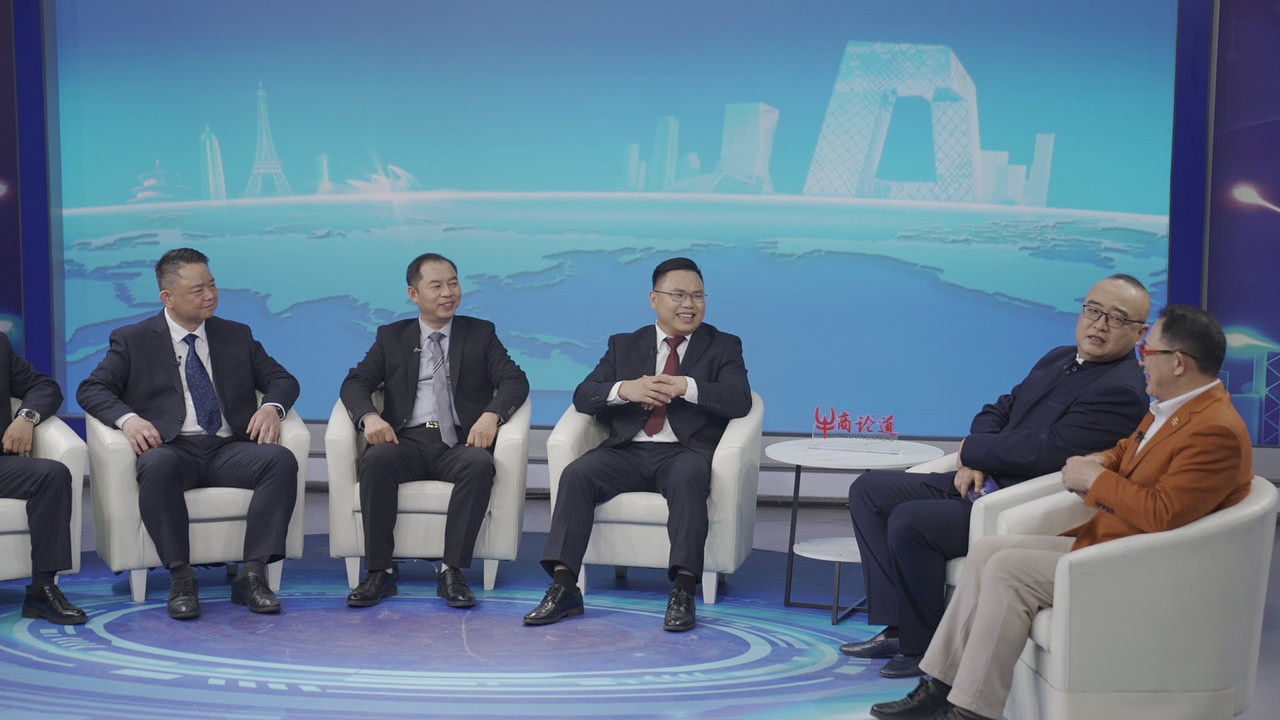
Moving from “hidden” to “visible” is not simply a matter of increasing exposure. It means helping customers understand what problems the company can solve, how it solves them, and why it deserves a long-term partnership.
The interview materials present a connected path for Jiehuan: use “understanding customers” as the starting point for brand building; use focused content and digital tools to communicate expertise; treat responsibility as an operating principle; and use innovation to create value while working with industry peers to improve together.
The current materials do not provide complete marketing data, industry rankings, or quantitative results for the industrial ecosystem. No market conclusion should therefore be drawn from them alone. They do show, however, that the brand value of a specialized manufacturer cannot be separated from its products and responsibilities. By deepening professional capability, explaining customer problems clearly, and continuing to create value through industrial cooperation, a company can move from being merely “used” to being understood—and from being “hidden” to becoming trusted.


